

Dhamma practice : ค้นหาหนังสือธรรมะ หน้า 30 / 34
หน้าหนังสือทั้งหมด
58
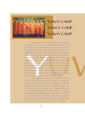
Yuwa Camp: Empowering Children's Growth Through Meditation and Activities
YUWACAMP
YUWACAMP
YUWACAMP
What plans your children wish to do during vacation? Try YUWA CAMP. Meditation and activities will enable them to practice democracy among their friends, young and old and
Yuwa Camp offers children a unique vacation experience combining meditation with engaging activities. Set in the serene environment of Phu Rua, Loei, children learn to concentrate and practice self-co
55
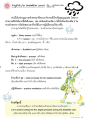
English for Buddhism Lovers
English for Buddhism Lovers
เรื่อง : ดร.อภิคร รถวาคู
artwork : แนว
ช่วงนี้เป็นช่วงฤดูลากเข้าสงที่พวกเราคงจะตั้งใจเพิ่มพูนบุญกุศล โดยการทำความดีการให้มากขึ้นใช่ไหมคะ เช่น ปฏิบคยรักศีล 5 ถึงใจที่จะรัก
During the rainy season, we focus on increasing our good deeds and following precepts. This article provides English vocabulary related to Buddhist practices, including the five and eight precepts, en
63
Understanding Paccekabuddhas in Buddhist Philosophy
V. Reference 2: Dhammakāya and Paccekabuddhas
A Paccekabuddha is counted as one of the two types of Buddhas. According to Buddhist philosophy, a Paccekabuddha is a person who is of the highest wisdom
This text discusses the concept of Paccekabuddhas, individuals of high wisdom who achieve self-enlightenment but lack the ability to teach. It explores scholarly arguments about the pre-Buddhist origi
87
หลักฐานธรรมภายในคัมภีร์พุทธโธธาน
หลักฐานธรรมภายในคัมภีร์พุทธโธธาน 1 ฉบับรวมงานวิจัยโดยอ.
44 นักอรรถวิทยา philologists
45 พุทธศาสตร์ Buddhistologists
46 Saddharmapurāṇikā-sūtra, Saṅghaṭa-sūtra, Sūrungamasamādhi-sūtra, Suvarṇabhā
เนื้อหานี้เสนอการศึกษาเกี่ยวกับความสำคัญของคัมภีร์พุทธโธธาน ผลงานศึกษานี้เน้นในเรื่องของโยคาจาร ซึ่งหมายถึง 'การปฏิบัติแห่งโยคะ' เป็นที่มาของการเชื่อมโยงที่ลึกซึ้งกับคติในการปฏิบัติธรรม โดยมีการอ้างอิ
155
Digital Dictionary of Buddhism and Related Works
Muller, A. Charles, ed. “Digital Dictionary of Buddhism.” Digital Dictionary of Buddhism 電子佛教辭典, n.d. Accessed December 4, 2012.
—. “Yi 意, Mention.” Digital Dictionary of Buddhism, Nattier, Jan. 200
This compilation features key works in early Chinese Buddhism, including the Digital Dictionary of Buddhism edited by A. Charles Muller, and significant contributions from scholars such as Jan Nattier
42
Understanding Personal Offerings in Buddhism
42
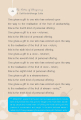
The Verse of Absoniring
6. Dakkhināvibhanga Sutta
One gives a gift to one who has entered upon
the way to the realisation of the fruit of arahantship;
this is the fourth kind of personal offe
The text elaborates on different types of personal offerings within Buddhist practice, highlighting the spiritual importance of giving to individuals at various stages of realization, including arahan
35
Wat Phra Dhammakaya: The Largest Buddhist Temple
Wat Phra Dhammakaya (the Dhammakaya Temple) was formally established on Magha Puja Day, February 20, 1970. The Main Chapel was completed in 1982. The property was later expanded to 1,000 acres in 1985
Wat Phra Dhammakaya was established on Magha Puja Day in 1970 and has since become the largest Buddhist organization globally. The Main Chapel and Great Dhammakaya Cetiya, completed in 2000, attract m
46
The Journey of Candasaro Bhikkhu: A Monk's Path to Enlightenment
He pondered about what he should do with his life, and came to the conclusion that there was nothing more worthwhile for him to do than pursuing a life of purity by becoming a monk. He made the resolu
Sodh, later known as Candasaro Bhikkhu, decided to pursue a life of purity by ordaining as a monk at the age of 22. He practiced meditation relentlessly and sought the guidance of esteemed teachers ac
61
Understanding Dhammakaya Knowledge
The Dhammakaya Knowledge is taught by the Buddha to constitute the transcendental, blissful, eternal, and pure Self of the Buddha. Dhammakaya doctrines can be found in the scriptures of all major Budd
Dhammakaya Knowledge is a profound teaching from the Buddha that emphasizes the transcendental, blissful, and pure nature of self. This concept is integral to all major Buddhist schools, including The
93
Wisdom from Meditation
From a spiritual point of view, wisdom gained from meditation will help us become more ethical in our decision-making and also our choice of action. We will become more at ease with ourselves and our
From a spiritual perspective, wisdom gained from meditation fosters ethical decision-making and personal ease, leading to a harmonious family life and improved parenting. Regular meditation elevates t
101
Gentle Mindfulness Practice
Now, I’d like to invite all of you to settle your mind at the center of your body. Do it with a soft and gentle attention, an attention so soft and gentle that it is like a bird’s feather floating dow
This text invites readers to cultivate a gentle mindfulness practice by focusing their attention softly at the center of their body. It emphasizes the importance of a light and tender approach, likeni
107
Guidelines for Effective Meditation
Sit cross-legged, with your right leg over your left leg, your right hand over your left hand, palms facing up. Place both hands gently on your lap. Let the tip of your right index finger touch the ti
Meditation is a practice that requires both relaxation and mindfulness. To begin, sit cross-legged with your right leg over your left, hands resting gently on your lap. Lightly touch the tips of your
136
Guided Meditation for Personal Growth
132 GUIDED MEDITATION
If you do it right from the beginning to the end, your journey will be smooth and easy.
All you have to do next is to keep doing it repeatedly. Do it regularly, repeatedly, cons
การทำสมาธิที่ถูกต้องตั้งแต่ต้นจนจบจะทำให้การเดินทางของคุณราบรื่นและง่ายดาย คุณต้องทำสิ่งนี้อย่างต่อเนื่องและหมั่นฝึกฝนเพื่อความสำเร็จ แม้ว่าจะมีความท้าทาย ให้เข้าใจว่าคุณยังเป็นคนธรรมดาและต้องเอาใจใส่
154
Ten Daily Homeworks for Enhanced Meditation
TEN DAILY HOMEWORKS
These Ten Daily Homeworks are designed to help improve your meditation results.
Practice it daily and you’ll find that not only would your meditation results become better, but als
These Ten Daily Homeworks aim to enhance your meditation practice while improving your overall wellbeing. Start your day by reconnecting with your body's center. Reflect on life and express loving-kin
98
Understanding Biochemical Reactions and Relaxation Techniques
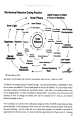
Biochemical Reaction During Practice
Lightly Imagine an Object or Focus on Breathing
Less Energy Consumption
Lessened Metabolic Rate
Less Oxygen Consumption
Lessened Metabolic Rate
Less Oxygen Consump
This text discusses the biochemical reactions occurring during practice and the benefits of lightly imagining an object or focusing on breathing. It emphasizes the reduction in energy consumption, met
101
The Process of Learning: Insights from Buddhist Teachings
Suzanne Jeffrey
information for them to know. The teacher must try to make the information relevant for the student, finding some way to make the information vital for their lives, according to the s
This text discusses the importance of relevance in teaching, the need for both teacher and student to exhibit patience and discipline, and a structured approach to inquiry in the learning process. It
147
Meditation Technique: The Seven Bases of the Mind
Suzanne Jeffrey
Step-By-Step introductions for the meditation technique:
The Seven Bases of the Mind.
1. The sitting posture, which has been found to be the most conducive for meditation, is the hal
This guide introduces the Seven Bases of the Mind meditation technique, emphasizing the importance of proper posture, relaxation, and focus. Begin by adopting a comfortable half-lotus position or sitt
150
Meditation Techniques for Inner Peace
eyelashes to lightly touch your cheeks, as though you are falling asleep. (Please do not force your eyelids closed or squeeze them shut because that causes tension in this area, as well as other areas
In this guided meditation practice, you will learn to relax by closing your eyes and focusing on your inner self. Start by gently closing your eyes, smile internally, and take deep breaths to relax yo
159
Key Concepts in Dhammakaya Meditation
Suzanne Jeffrey
Luang Pu - Grandfather Monk. In this book, I use the designation for the re-discoverer of the Dhammakaya Meditation Technique, Luang Pu Sodh Wat PakNam, who was the Abbot of Wat PakNa
This text introduces key terms within the realm of Dhammakaya Meditation, focusing on figures like Luang Pu Sodh Wat PakNam and the roles of MaeChi and Upasikas. It delves into Mara as a symbol of tem
79
Father's Day and Massed Male Meditation Retreat
Father's Day and Massed Male Meditation Retreat
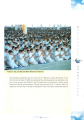
This ordination programme held for the first time in 1998 was a wildly phenomenon. It was the first time that about 100,000 men astonished the world by
The first-ever ordination program initiated in 1998 culminated in a spectacular event from January 29-31, 1999, at Wat Phra Dhammakaya, Thailand. Approximately 100,000 men gathered to practice moral a